Michigan Pay Stub Generator
Create a professional, Michigan-aware pay stub in minutes. Enter your payroll details, preview before you pay and download an instant PDF.
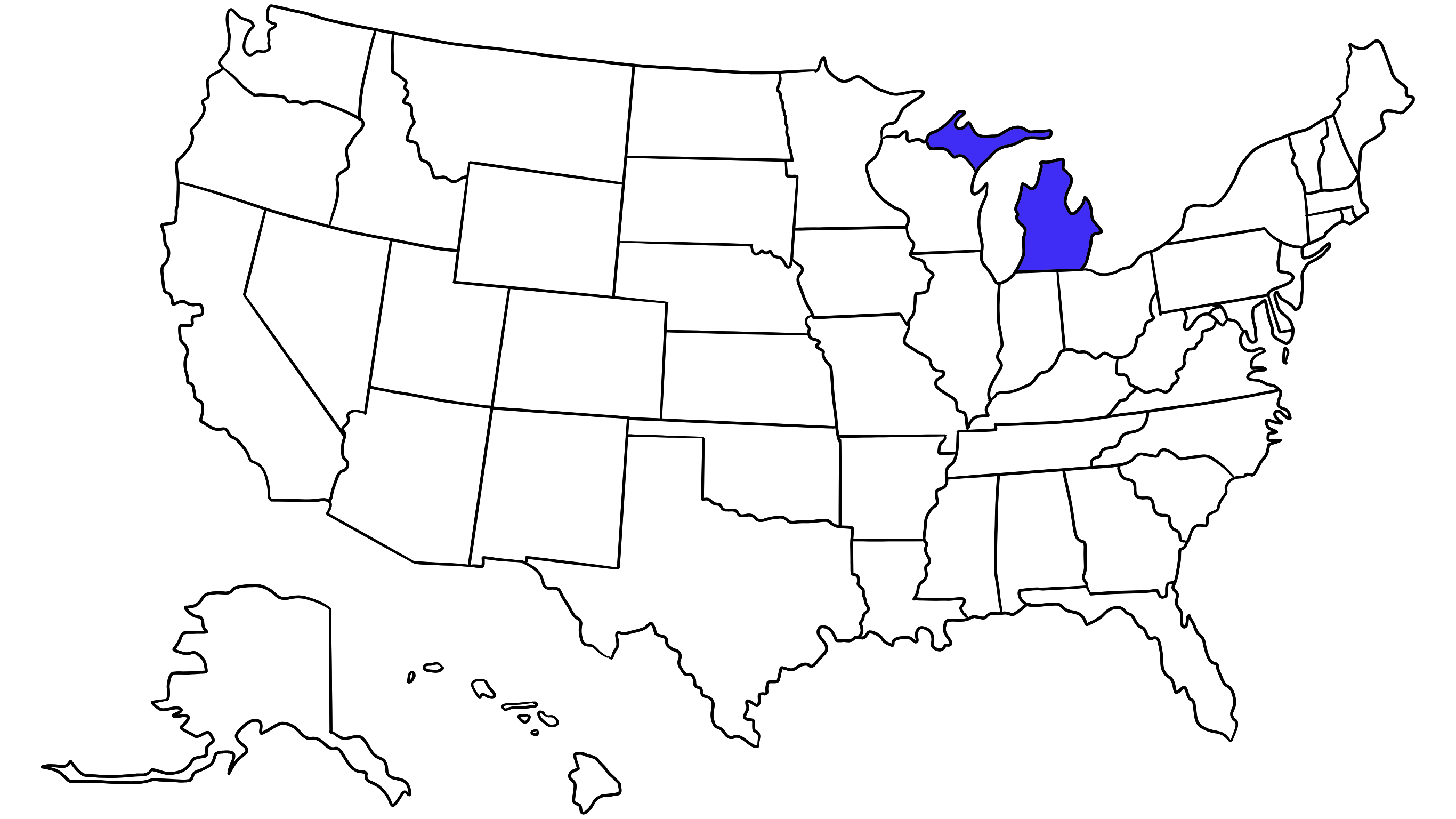
 Create Your Michigan Pay Stub
Customers Love Us See Why?




#1 Best Michigan Paystub Generator
Create professional Michigan paystubs quickly with a simple and easy-to-follow process. Online Paystub helps you enter payroll details, calculate earnings and deductions, review your information and generate a clean, professional paystub in just a few steps. Designed for convenience and clarity, our generator gives you full control before your document is completed. Check every detail, make changes when needed and create your Michigan paystub with confidence.
SEE MORE about what an online paystub isHow Does Our Check Online Paystub Maker Work?

Add your info
Use our secure online forms to enter your Company & Personal details in the fields provided.

Preview your document
Make edits before you order. Get documents delivered to your inbox in minutes.

Download your paystubs
Download and print the secure PDF. We'll print and mail your pay stubs and W2s.
See how it works
Watch the quick video to see how easy you can create and download your pay stub in minutes.
Use the Michigan pay stub generator to organize genuine payroll information into a retainable wage statement that clearly shows the employee's pay period, hours, gross wages, deductions and net pay. Michigan requires employers to furnish employees with a pay statement when wages are paid, so the document should be built from verified payroll records rather than estimated or reconstructed figures.
Michigan payroll in 2026 can include federal withholding, Social Security, Medicare, Michigan income tax withholding and in some locations a city income tax. The correct workflow is to calculate wages and deductions first then use the pay stub to document the result in a format the employee can keep.
What Michigan Requires on a Pay Statement
A Michigan pay statement must give the employee a retainable record of the wage payment. State guidance identifies hours worked, gross wages paid, itemized deductions and the dates for which the wages are paid as core information.
- Hours worked during the applicable pay period
- Gross wages paid
- A separate itemization of deductions
- The pay period or dates for which wages are being paid
- Paid leave information when a specific Michigan rule requires it
A practical employee-facing pay stub can also show the employer name, employee name, pay date, rate of pay, regular earnings, overtime earnings, net pay and accurate year-to-date totals. Those extra fields help the employee follow the gross-to-net calculation without changing the legal core of the statement.
Build the Michigan Pay Stub From the Wage Calculation
Create the pay stub after payroll has been calculated. The generator should record the employee's real compensation and deductions rather than determine what the employee should have earned.
- Confirm the employee classification, pay period and scheduled pay date.
- Calculate regular hours and the applicable rate of pay for hourly employees.
- Calculate overtime or other additional compensation when it genuinely applies.
- Add bonuses, commissions or other taxable earnings that belong to the pay period.
- Determine gross wages before employee deductions.
- Calculate federal withholding, Michigan withholding, Social Security and Medicare.
- Apply any valid local income tax withholding plus other lawful deductions.
- Calculate net pay then compare it with the actual wage payment.
- Enter YTD wages and deductions only when cumulative payroll records support them.
2026 Michigan Payroll Quick Reference
The figures below are useful when reviewing common payroll lines on a 2026 Michigan pay stub. They are reference points, not a substitute for the employee's actual withholding information or a complete payroll calculation.
| Payroll Item | 2026 Michigan Reference |
|---|---|
| Michigan income tax withholding | 4.25 percent state withholding rate; 2026 personal exemption is $5,900 |
| Local city income tax | May apply in a Michigan municipality that levies income tax |
| Social Security | 6.2 percent on covered employee wages up to $184,500 |
| Medicare | 1.45 percent on covered wages with no general wage ceiling |
| Additional Medicare Tax | 0.9 percent employee withholding after one employer pays more than $200,000 in Medicare wages during the year |
| Michigan minimum wage | $13.73 per hour beginning January 1, 2026 |
| Michigan unemployment insurance | Employer-side payroll cost rather than a normal employee deduction |
Michigan State and Local Withholding on a Pay Stub
Michigan state income tax withholding belongs in the employee deduction section when it applies. For 2026, Michigan lists a 4.25 percent withholding rate with a $5,900 personal exemption, but the pay-period amount still depends on the employee's withholding information and taxable wages.
If you need to understand the tax rules behind that deduction rather than only display the amount on the pay stub, review Michigan income tax and withholding. The income tax page is the better place for state-tax detail while the pay stub page should remain focused on documenting payroll.
Location can also matter in Michigan. Twenty-four Michigan cities levy municipal taxes related to income. A worker who lives or works in a taxing city can therefore have a local withholding line in addition to state withholding. Employers should use the rules for the specific municipality instead of assuming that every Michigan employee has the same local tax treatment.
Gross Pay, Overtime and Earned Sick Time
Gross pay should reflect all compensation that belongs to the pay period before payroll taxes and other employee deductions are subtracted. For hourly employees, that means the employer must establish regular hours, overtime hours and the correct rate before creating the pay statement.
Michigan's statewide minimum wage is $13.73 per hour in 2026. Covered nonexempt employees can also qualify for overtime under applicable state or federal wage rules. The pay stub should separate regular earnings from overtime when doing so improves the accuracy and clarity of the statement.
Michigan's Earned Sick Time Act can also affect payroll records. Paid sick time is compensation for qualifying leave, not a tax deduction. When accrued or used leave information must be communicated, keep it distinct from taxes so the employee can see whether a line represents wages, leave or a deduction.
Which Deductions Belong on a Michigan Pay Stub?
A Michigan pay stub should show only deductions that actually apply to the employee and are permitted by law, an applicable agreement or valid employee authorization. Each deduction should be labeled clearly so the employee can understand why take-home pay is lower than gross pay.
- Federal income tax withholding
- Michigan income tax withholding
- Applicable city income tax withholding
- Social Security tax
- Medicare tax
- Employee-authorized benefit or retirement deductions
- Other lawful deductions that genuinely occurred
Michigan unemployment insurance is different because it is generally an employer payroll obligation. It should not be placed in the employee deduction section as though the employee paid it from net wages.
From Gross Pay to Michigan Take-Home Pay
Net pay is the amount left after employee taxes and other applicable deductions are subtracted from gross pay. The pay stub should let the employee trace that calculation without having to reconstruct the payroll separately.
Net Pay = Gross Pay - Federal Withholding - Michigan Withholding - Local Withholding, if applicable - Social Security - Medicare - Other Employee Deductions
When the payroll numbers are still being estimated, use the Michigan paycheck calculator before generating the final document. The calculator handles the gross-to-net step while the pay stub records the final values tied to the payment.
Current Pay and YTD Values Should Agree With Payroll Records
Current-period values describe one wage payment while year-to-date values accumulate payroll amounts over the calendar year. A Michigan pay stub can show both when the employer maintains reliable cumulative records.
Do not estimate YTD earnings by multiplying the current paycheck. Bonuses, overtime, unpaid periods, benefit changes and earlier withholding elections can make that shortcut inaccurate. YTD figures should come from the payroll ledger or another dependable record.
Michigan Pay Stub Generator for Small Businesses
A Michigan pay stub generator can help a small business standardize the employee-facing record after payroll is complete. The strongest process separates wage calculation, employee deductions and employer-only payroll costs before the final statement is created.
Small employers should keep enough supporting information to explain hours, rates, gross wages and deductions shown on the statement. This is particularly important when an employee works in a Michigan city with local income tax or has variable overtime, bonuses or paid leave.
Employees, Contractors and Accurate Classification
Employee pay stubs should document a real employment relationship. Independent contractors and self-employed workers often use invoices, payment records, bookkeeping reports or tax forms that better match how they are actually paid.
Do not use an employee-style pay stub to make a contractor appear to be an employee. Worker classification can affect withholding, payroll tax obligations and recordkeeping, so the document should match the underlying relationship.
Create the Final Michigan Payroll Record
The final document should make the wage payment easy to review: pay period, hours, gross wages, deductions, net pay and any accurate YTD values should agree with the employer's actual payroll records.
When those figures are verified, use online paystub to organize genuine Michigan payroll information into a professional pay stub. Review every field before generating the document.
Legal and Responsible Use
Online Paystub is intended solely for lawful payroll, business and recordkeeping purposes. Users must provide accurate employer information, employee information, earnings, deductions, tax amounts and payment information. The service must not be used to fabricate employment, inflate income, alter payment history, impersonate an employer or create documents intended to deceive another person or organization. Users remain responsible for ensuring that generated records reflect genuine payroll activity and comply with applicable law.
Nearby State Pay Stub Resources
Create a pay stub for a nearby state or one of our most popular states.


Frequently Asked Questions
What Information Must Be on a Pay Stub in Michigan?
Michigan requires a retainable pay statement that identifies hours worked, gross wages paid, itemized deductions and the dates for which wages are paid. Other accurate payroll fields can be added when useful.
Can I Create a Pay Stub Online in Michigan?
Yes. An online pay stub generator can organize genuine Michigan payroll information after wages, taxes and deductions have been calculated.
What Is the Michigan Withholding Rate in 2026?
Michigan lists a 4.25 percent withholding rate for 2026. The state also lists a $5,900 personal exemption. The actual pay-period withholding amount depends on the employee's payroll circumstances.
Can City Income Tax Appear on a Michigan Pay Stub?
Yes. Some Michigan municipalities levy income taxes, so applicable city withholding can appear as a separate employee deduction when the worker and employer are subject to the local rules.
Do Michigan Pay Stubs Need YTD Earnings?
Michigan's core pay-statement rule focuses on hours, gross wages, deductions and the wage period. YTD values can still be useful when they are accurate and supported by cumulative payroll records.
What Is the Difference Between a Paycheck and Pay Stub in Michigan?
A paycheck or direct deposit is the wage payment. A pay stub is the itemized statement that explains the earnings and deductions connected with that payment.